


Every year, usually between February and April, northern Vietnam goes through a spell of extremely damp weather known locally as nồm. For a few days or weeks at a time, tiled floors turn slippery, walls and mirrors drip with condensation, laundry refuses to dry and a musty smell creeps into wardrobes. For newcomers it can be a surprise, but with a few habits and the right equipment it is very manageable. This guide explains what happens during humid weather in Hanoi and how to keep your house dry, clean and free of mould.
What is the nồm season in Hanoi?
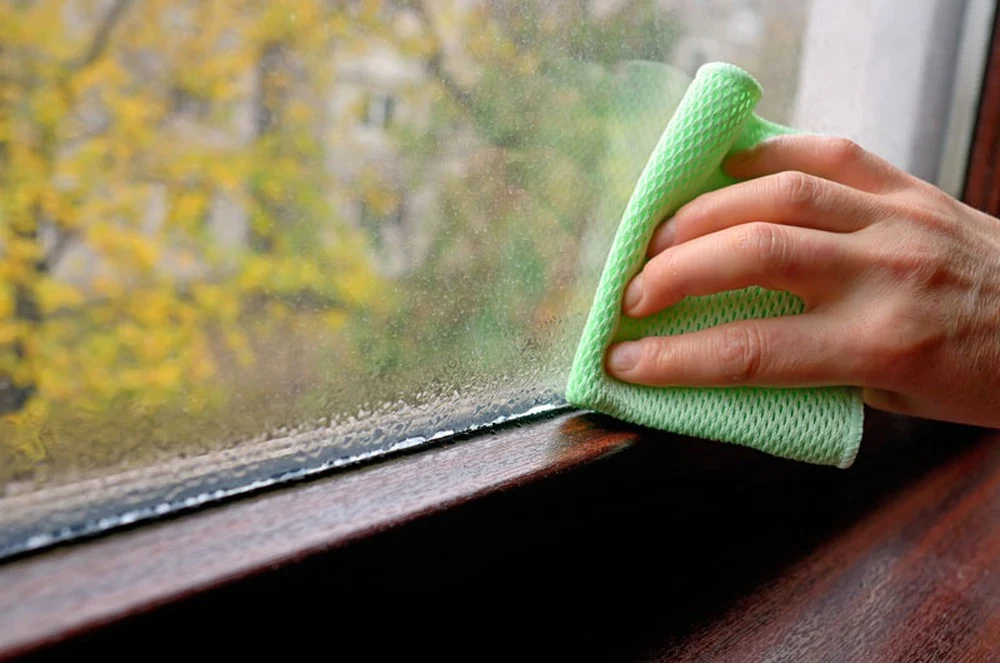
Nồm happens when a spell of cold weather gives way to warm, very moist air blowing in from the sea, usually from the southeast. Relative humidity rises above 90%, sometimes close to saturation, often with drizzle or fog. The key problem is temperature difference: after several cold days, concrete floors, tiles and walls are still cooler than the incoming air, so water vapour condenses on them, the same way a cold glass “sweats” on a hot day. This is why surfaces look wet even when it has not rained, and why the effect usually ends quickly once a new wave of dry northern air arrives.
The main nồm period runs from February to April, with the peak usually in March, but damp spells can also appear outside that window. Vietnamese media reported unusually early nồm weather in the north in November 2025, for example. For the bigger picture of Hanoi’s seasons and humidity levels through the year, see our guide to the Hanoi climate.
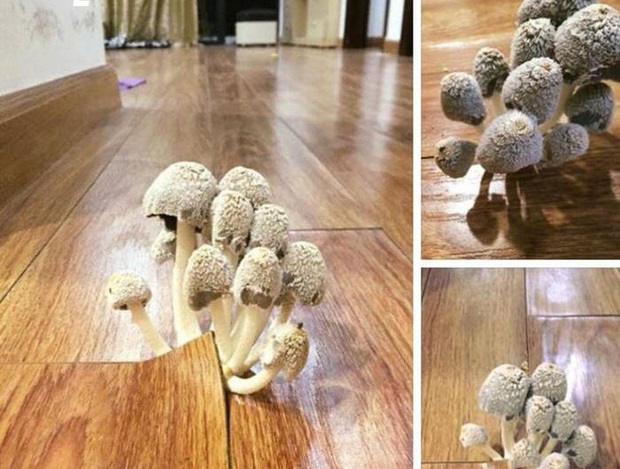
How humid weather affects your home and health
Persistent humidity causes more than discomfort. Wet floors are a slip hazard, especially on glossy tiles and stairs. Fabrics such as towels, bedding, sofas and curtains absorb moisture and start to smell, while leather shoes, bags and wooden items can grow mould within days. Paint can bubble, wallpaper can peel, and electronics, cameras and food stored in cupboards are all vulnerable to damp.
Damp homes and mould are also linked to health problems. The World Health Organization’s guidance on indoor dampness and mould associates them with respiratory symptoms, allergies and worsened asthma, so households with young children, older people or anyone with breathing problems should take moisture control seriously. The general aim, as recommended by health and environmental agencies such as the US EPA, is to keep indoor relative humidity below about 60% and to dry any wet surface or material within 24 to 48 hours.
Keep humid air out: doors, windows and ventilation
The instinct to open everything and “air out” the house is the most common mistake during nồm. When the outside air is warmer and wetter than the air inside, opening doors and windows simply lets more moisture in to condense on cool surfaces. On damp days, keep doors and windows closed, close the gaps under doors where you can, and avoid mopping with water, which only adds to the problem.
Ventilation still matters, but timing is everything. Open up when a cold, dry spell returns, or when the humidity reading clearly drops, to flush out stale indoor air. Use bathroom and kitchen extractor fans whenever you shower or cook, and keep the bathroom door closed so steam does not spread. A cheap digital hygrometer shows you the actual indoor humidity and takes the guesswork out of deciding when to open the windows.
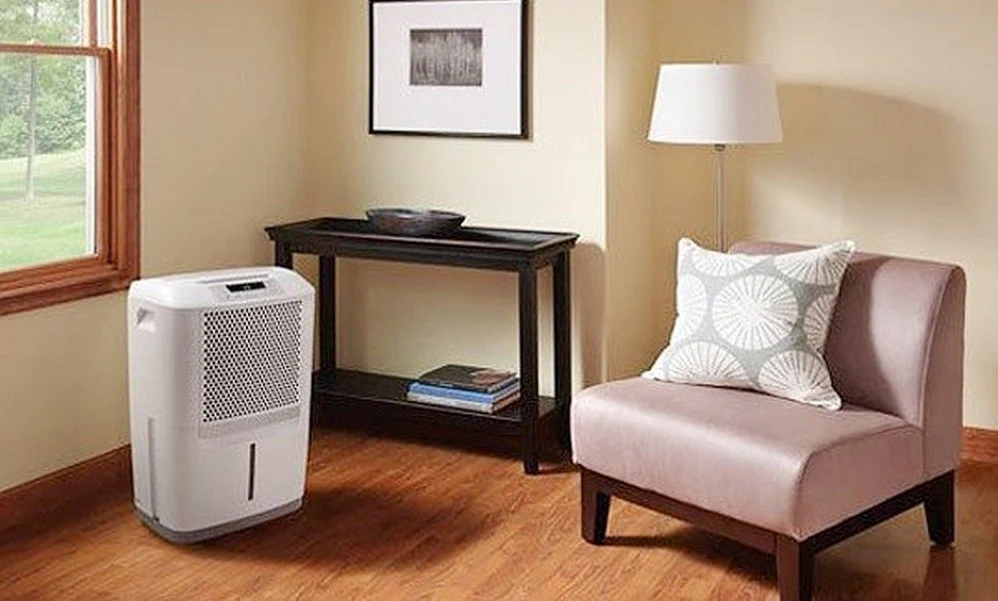
Dehumidifiers and air-conditioner dry mode
A dehumidifier is the most effective tool for nồm season. When choosing one, compare the extraction capacity (usually stated in litres per day) against the size of the room or apartment, check the tank size and whether it can drain continuously through a hose, and look for a built-in humidistat so it switches off automatically once the target humidity is reached. Placing it in a closed room, such as the bedroom or the room where you dry laundry, works far better than trying to dry an entire open-plan home with doors open.
If you do not have a dehumidifier, the dry (dehumidify) mode on many air conditioners, often marked “Dry” or with a water-drop symbol, removes moisture while cooling only slightly. It uses electricity, so run it in the rooms you use most rather than all day across the whole home. Renters can ask the landlord whether a dehumidifier or clothes dryer can be included, which is easier to agree before signing the lease than in the middle of the season.
Drying laundry during nồm
Washing hung on a balcony during nồm can stay damp for days and end up smelling sour. A clothes dryer, or a combined washer-dryer, is the simplest solution and one of the most useful appliances in a Hanoi home. Heat-pump dryers use less electricity than conventional vented or condenser models, although they cost more to buy. If you must dry indoors without a machine, use a small room with the door closed and a dehumidifier running, space items out so air can circulate, and wash smaller loads more often.

How to clean your house in humid weather
Cleaning during nồm is about removing water, not adding it. Use a dry microfibre mop or absorbent cloths to wipe floors, walls, mirrors and window sills several times a day if needed, and wring out any damp mop thoroughly before use. Old newspapers on the floor near doors or under rugs can soak up extra moisture.
If mould does appear, deal with it early. On hard, non-porous surfaces such as tiles, glass and sealed counters, scrub with detergent and water, then dry the area completely. Wear gloves, keep the room ventilated while cleaning, and never mix bleach with ammonia or other cleaning products. Porous items that are heavily mouldy, such as old mattresses, ceiling boards or carpet, are often impossible to clean fully and may need replacing. Mould that keeps coming back in the same place usually points to a leak or a cold wall, which is something to report to your landlord or building management.
Protect furniture, food and electronics
Move furniture and wardrobes a few centimetres away from external walls so air can circulate behind them, and leave wardrobe doors slightly open on dry days. Moisture-absorbing boxes or silica gel sachets help inside closets, shoe cabinets and drawers. Some households use traditional absorbents such as charcoal or quicklime in a closed container. If you use quicklime, keep it well away from children and pets and avoid contact with skin, since it is caustic. Store dry food in airtight containers and wash bamboo or wooden chopsticks and utensils in hot water and dry them completely.
Cameras, lenses and other sensitive electronics are best kept in an electronic dry cabinet or a sealed box with desiccant. Keep appliances slightly away from damp walls and check plugs and sockets in bathrooms and kitchens for condensation before use.

Deal with musty smells
Essential oil diffusers or scented candles with light fragrances such as lemongrass, lemon or lavender can make a room feel fresher, but they only mask odours. The smell will return unless the source, damp fabric or hidden mould, is dried or cleaned. Never leave candles burning unattended.

Choosing a home that copes with humidity
The easiest way to deal with nồm is to choose a home that handles it well in the first place. Higher floors, sealed windows, extractor fans in bathrooms and kitchens, and air conditioners with dry mode all help. When viewing a property, look for mould stains in corners, behind wardrobes and around window frames. Our list of apartment buildings in Hanoi can help you shortlist newer buildings, and buyers checking second-hand properties for sale should pay particular attention to signs of past leaks and damp.
Frequently Asked Questions
When does the humid season happen in Hanoi?
The nồm season usually runs from February to April, with the dampest spells often in March. Shorter humid periods can occasionally appear at other times, such as late autumn.
Should I open the windows when it is humid?
Not on damp days when outside air is warm and wet, because it brings in more moisture. Open windows when a dry, cooler spell returns or when indoor humidity readings drop.
Does air-conditioner dry mode really help?
Yes, dry mode removes moisture from the air in a closed room while cooling only slightly. It uses electricity, so run it in the rooms you use most.
What indoor humidity level should I aim for?
Health and environmental agencies generally recommend keeping indoor relative humidity below about 60%. A digital hygrometer lets you check this easily.
How do I remove mould from walls and tiles?
Scrub hard surfaces with detergent and water, then dry them completely, wearing gloves and keeping the room ventilated. Never mix bleach with ammonia, and report recurring mould to your landlord as it often signals a leak.