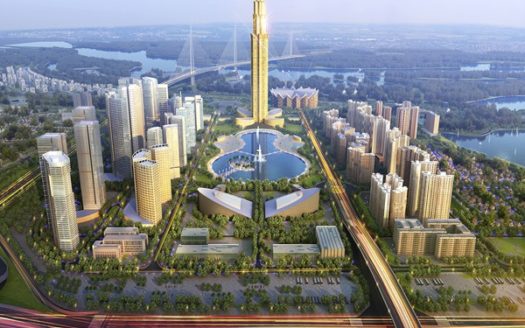
Urban Restructuring: What Hanoi Can Learn from Global Cities
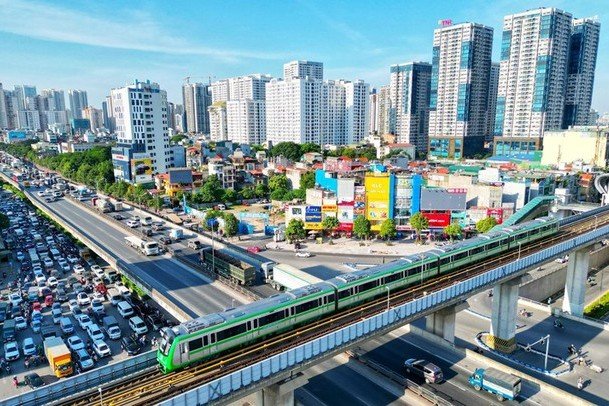
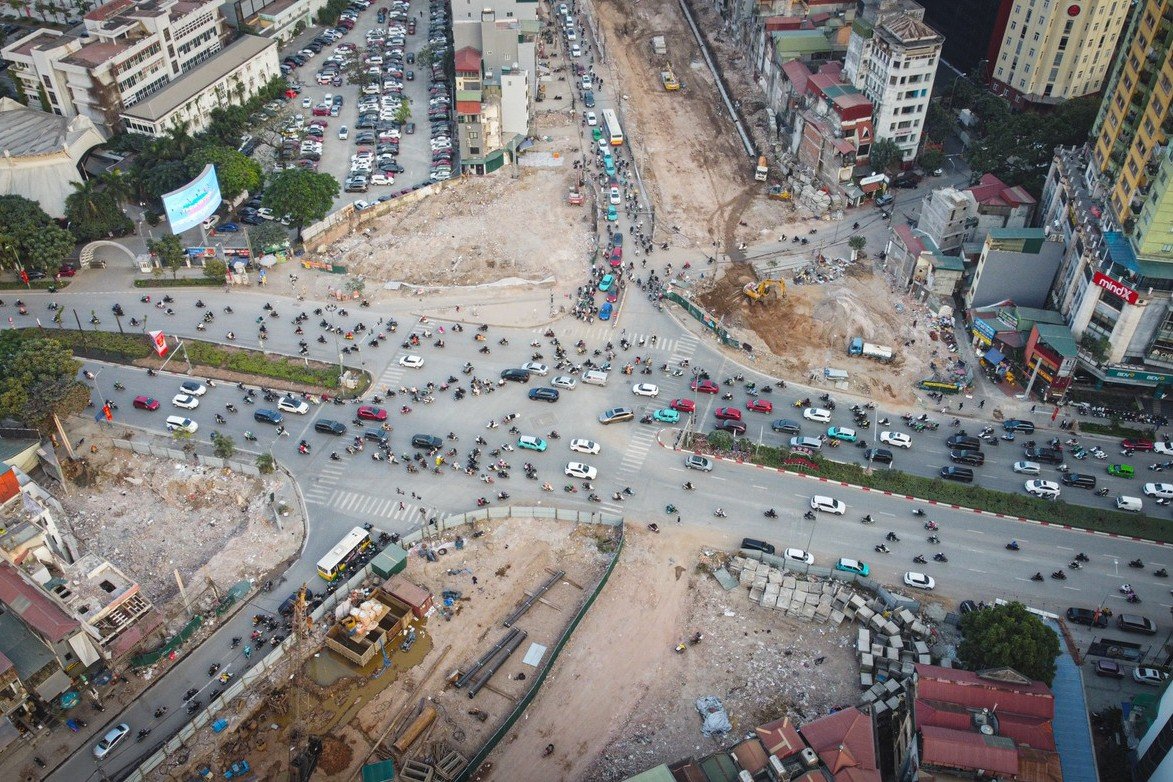
Chronic overcrowding in Hanoi’s heritage core and central districts has become a major strain on the city. With the population projected to reach 11 million by 2030 and urbanization approaching 70%, Hanoi faces worsening traffic congestion, severe air pollution, and frequent flooding after heavy rains.
As schools, hospitals, and road networks struggle to keep pace with rapid growth and rising private vehicle use, simple road expansion is no longer effective.
Under its newly approved 100-year Master Plan, Hanoi intends to relocate over 860,000 residents to support urban restructuring. The focus will be areas within Ring Road 3, especially Ring Roads 1 and 2, which bear the greatest pressure on population, transport, and social infrastructure. Inner-city population decentralization is therefore unavoidable.
Transit-Oriented Development (TOD) is expected to be the most practical solution in the next decade. Once regulatory barriers are removed, living within 500 meters of Metro stations will help residents secure predictable commuting times, making suburban-to-center travel more manageable.
As Hanoi moves toward inner-city population relocation and large-scale urban restructuring, investors are beginning to ask an important question:
How will urban redevelopment reshape real estate investment trends in Hanoi?
History shows that when major cities reorganize their urban cores, property values and investment strategies shift significantly. From Asia to Europe, redevelopment cycles have consistently changed the balance between low-rise houses and high-rise apartments.
Below are five global examples that offer valuable insight.
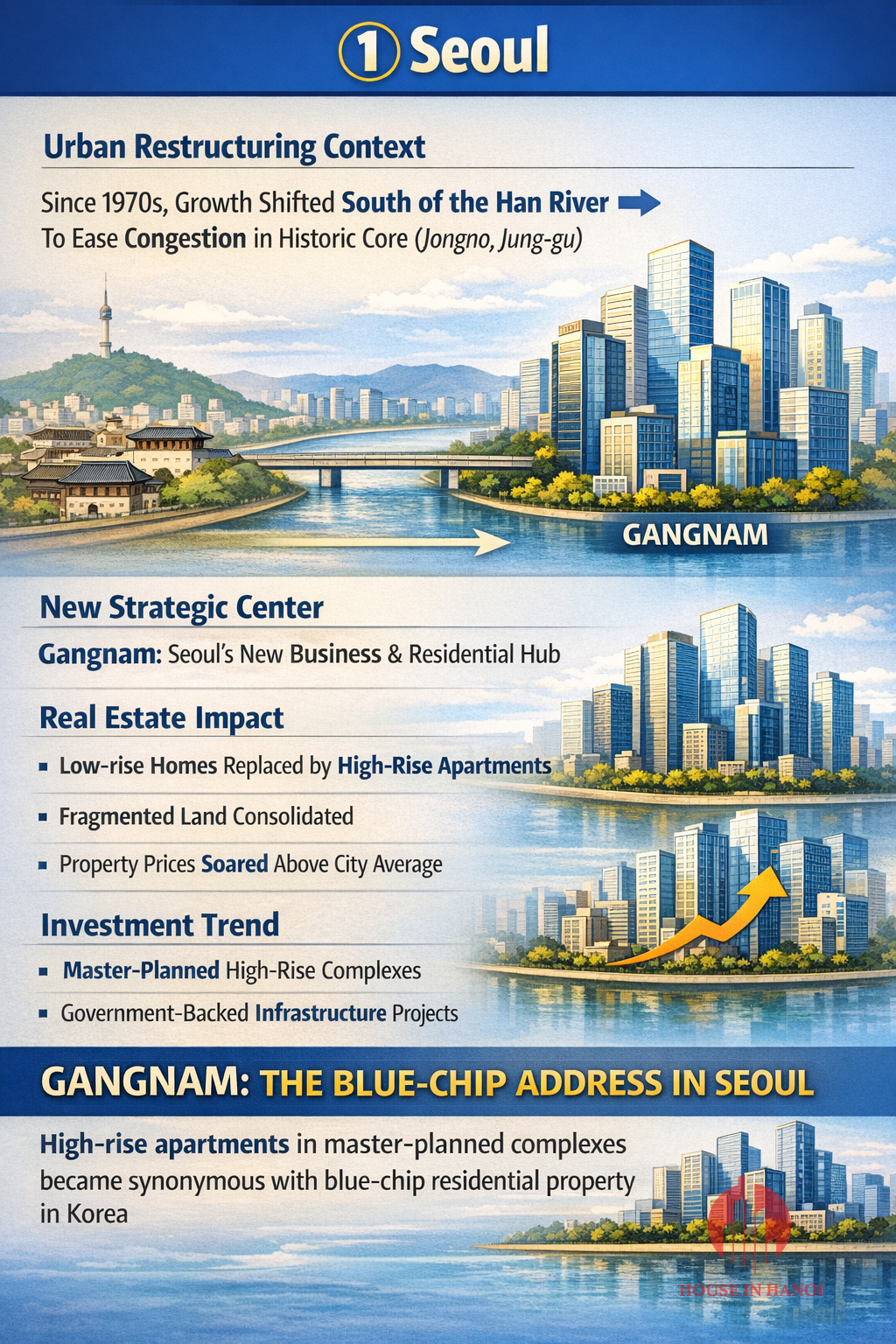
1. Seoul – Redevelopment Drives Apartment Dominance
Seoul underwent massive urban redevelopment from the 1980s onward. Aging low-rise neighborhoods were consolidated into large apartment complexes through government-backed redevelopment schemes.
Impact on property prices:
Individual houses in old neighborhoods faced demolition risk and legal uncertainty.
Apartment projects in prime districts like Gangnam saw strong capital appreciation.
Redeveloped zones delivered higher long-term returns compared to fragmented land plots.
Investment trend:
Capital gradually shifted toward apartments within structured redevelopment projects. High-rise condominiums became the most liquid and stable asset class in central Seoul.
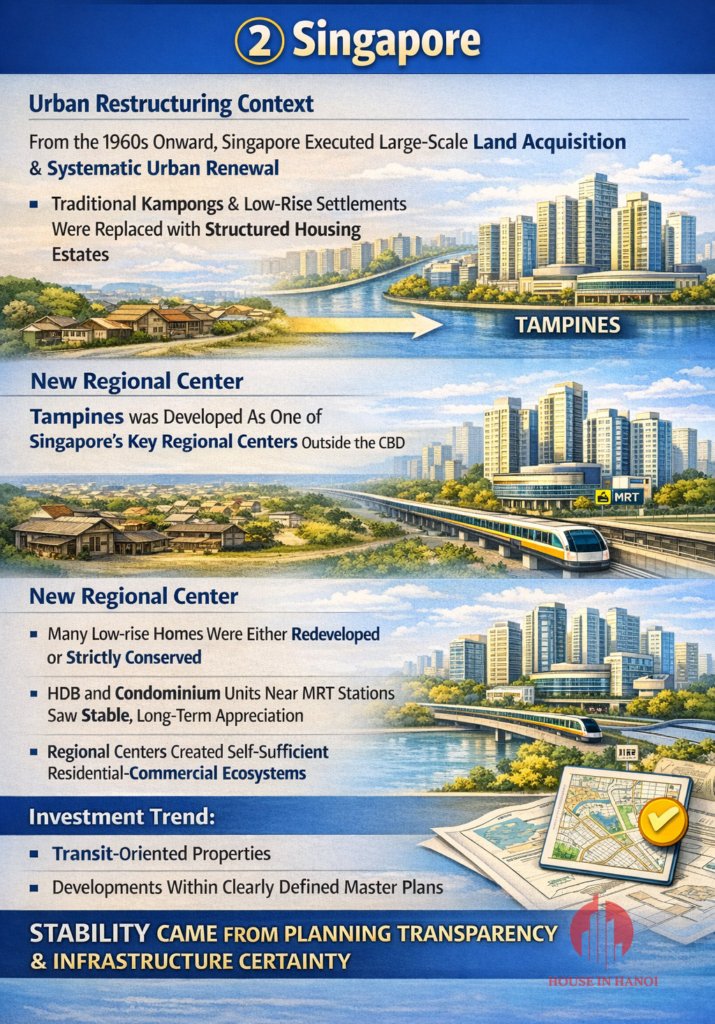
2. Singapore – Master Planning Creates Asset Stability
Singapore’s government-led land acquisition and urban planning programs reshaped the city from the 1960s onward. Large areas of traditional housing were cleared or reorganized under strict zoning control.
Impact on property prices:
Many low-rise houses were either acquired or heavily regulated.
Condominiums near MRT stations and CBD areas experienced consistent value growth.
Limited central land supply increased long-term price resilience for high-quality apartments.
Investment trend:
Properties aligned with national master planning—especially centrally located condominiums—became preferred long-term investment vehicles.
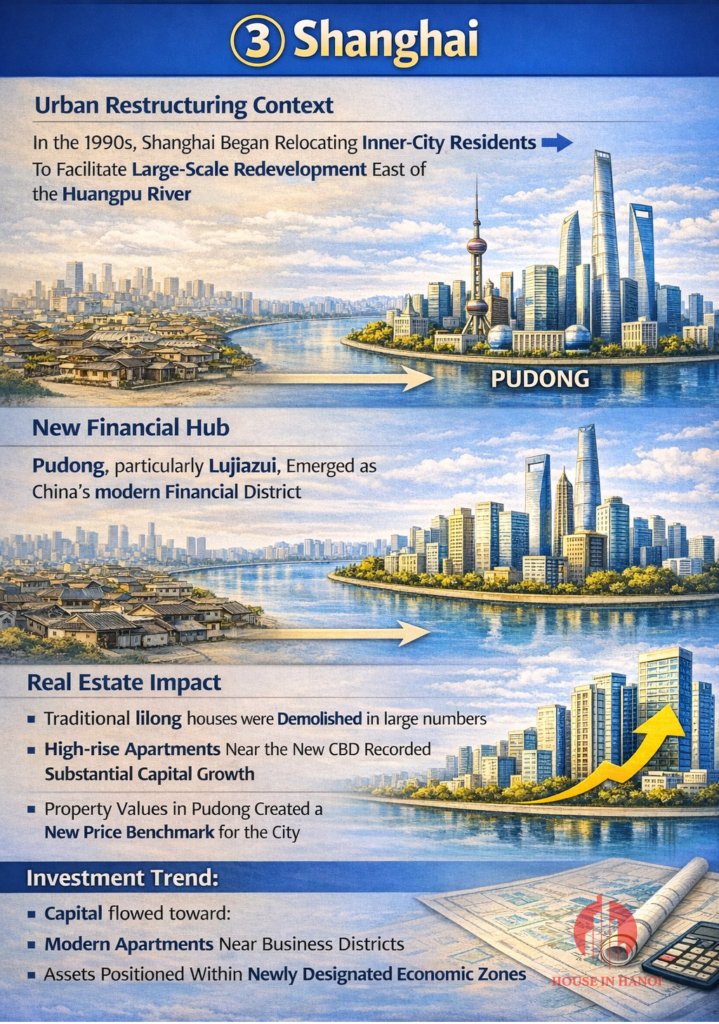
3. Shanghai – Financial Expansion Reshapes Housing Demand
Shanghai’s rapid expansion in the 1990s, particularly the development of Pudong as a financial hub, required large-scale relocation of inner-city residents.
Impact on property prices:
Traditional lilong houses were demolished or redeveloped.
High-rise apartments near Lujiazui financial district recorded substantial price increases.
Infrastructure-driven growth redirected capital flows toward newly planned urban zones.
Investment trend:
Investors prioritized modern apartments near business districts and transport nodes, viewing them as safer and more scalable assets.
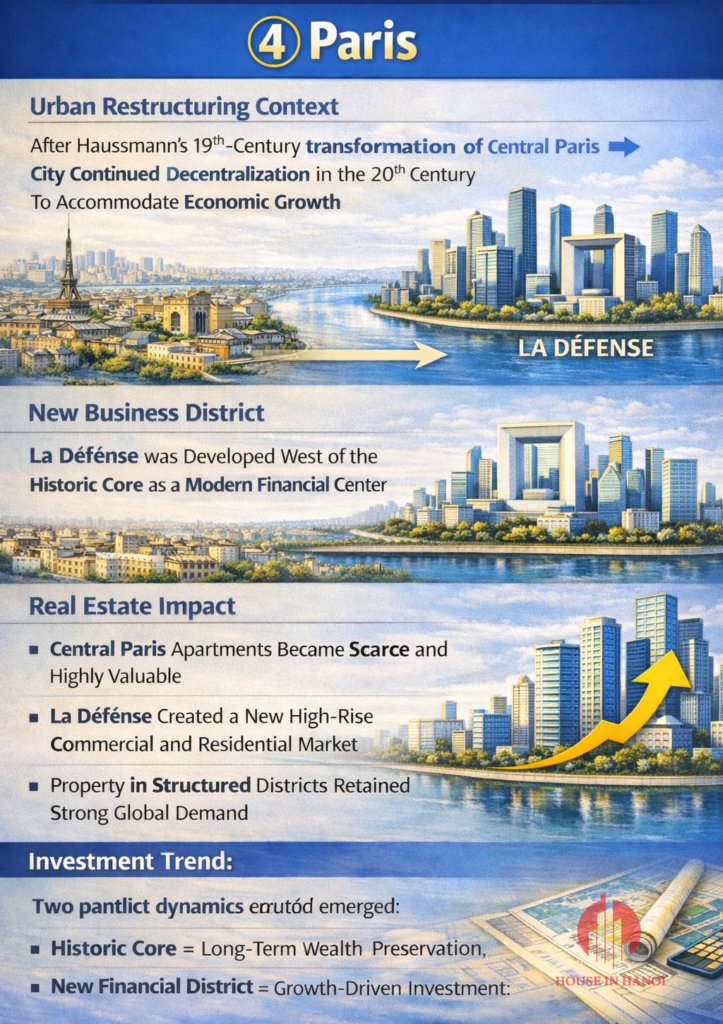
4. Paris – Long-Term Value from Structured Urban Design
uring the Haussmann renovation in the 19th century, Paris transformed its medieval core into wide boulevards lined with uniform residential buildings.
Impact on property prices:
Small fragmented houses were replaced with standardized apartment blocks.
Centrally located apartments evolved into generational assets.
Over time, regulated urban form contributed to price stability and global demand.
Investment trend:
Well-located apartments within coherent urban planning frameworks retained strong long-term value.
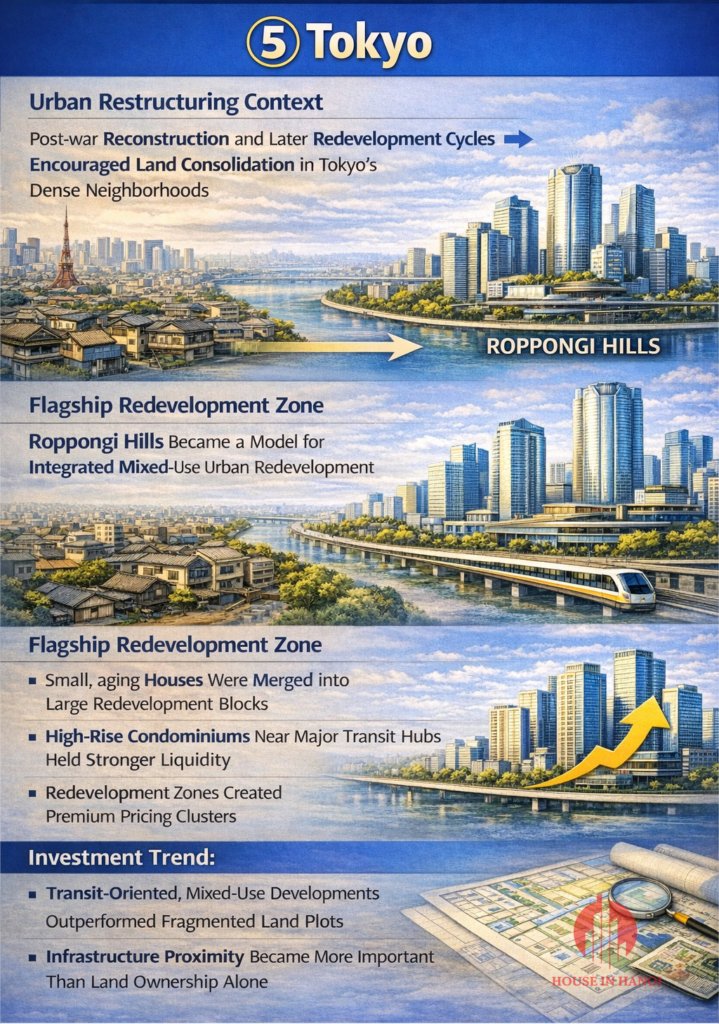
5. Tokyo – Transit-Oriented Development Favors Apartments
Post-war reconstruction and later redevelopment phases in Tokyo emphasized transport connectivity and high-density housing.
Impact on property prices:
Detached houses in aging neighborhoods faced rebuilding costs and depreciation.
Apartments near major train stations consistently outperformed in liquidity and rental yield.
Transit-oriented development strengthened demand for vertical living.
Investment trend:
Location near infrastructure became more important than land ownership alone. Apartments aligned with transport hubs showed higher resilience.
What This Means for Hanoi Real Estate
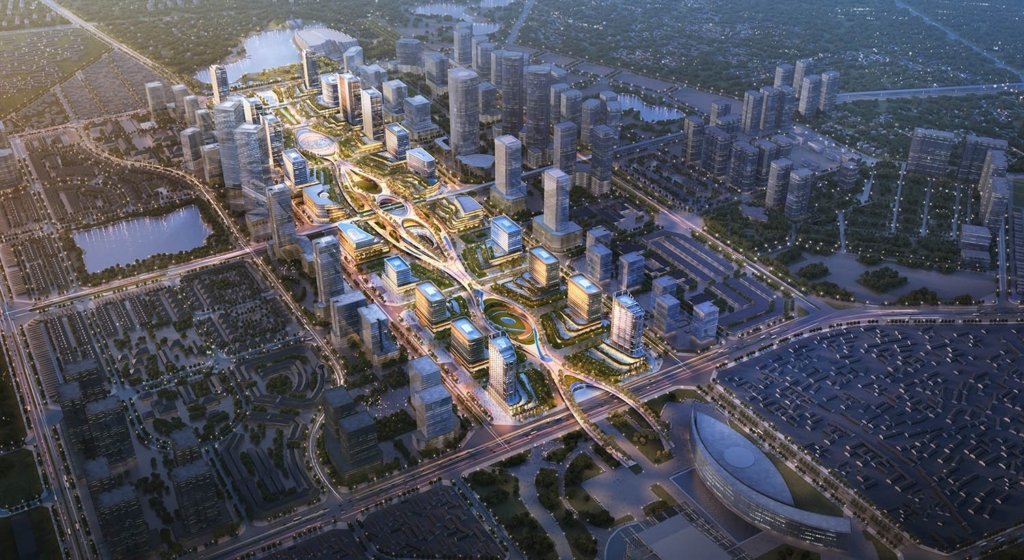
Hanoi is gradually entering a similar urban transition phase. With increasing pressure on infrastructure, traffic, and population density, inner-city restructuring and relocation policies are likely to accelerate.
Based on international precedents, several potential trends may emerge:
1. Increased Planning Risk for Individual Land Houses
Standalone ground houses in redevelopment corridors may face:
Land acquisition risk
Adjustment to zoning regulations
Timeline uncertainty
Prime commercial land may continue to rise in value, but accessibility will become limited and capital requirements significantly higher.
2. Growing Scarcity of Inner-City Apartments
If new supply in central districts remains constrained while demand stays strong:
Existing apartments could benefit from scarcity.
Liquidity may remain stronger than fragmented land plots.
Rental demand in core districts may support stable yields.
3. High-End Apartments as Capital Preservation Assets
In many global cities, premium condominiums in central locations evolved into wealth-preservation instruments.
As Hanoi modernizes, well-developed, legally transparent projects could play a similar role.
The Strategic Question for Investors
Urban restructuring changes the investment landscape. The debate is no longer simply “land versus apartment.”
The more strategic question is:
Which asset type aligns with the future urban structure of Hanoi?
Global evidence suggests that when infrastructure, policy direction, and capital concentration converge, real estate products integrated into master planning frameworks tend to outperform those exposed to fragmented redevelopment risks.
As Hanoi moves forward with urban transformation, understanding these structural shifts will be critical for long-term real estate investment decisions.
Please contact us if you’re looking for property investment in Vietnam: Harry Nguyen +84967 930 960 | Email: houseinhanoi@hotmail.com