

• Change Your Currency

  • Measurement Unit

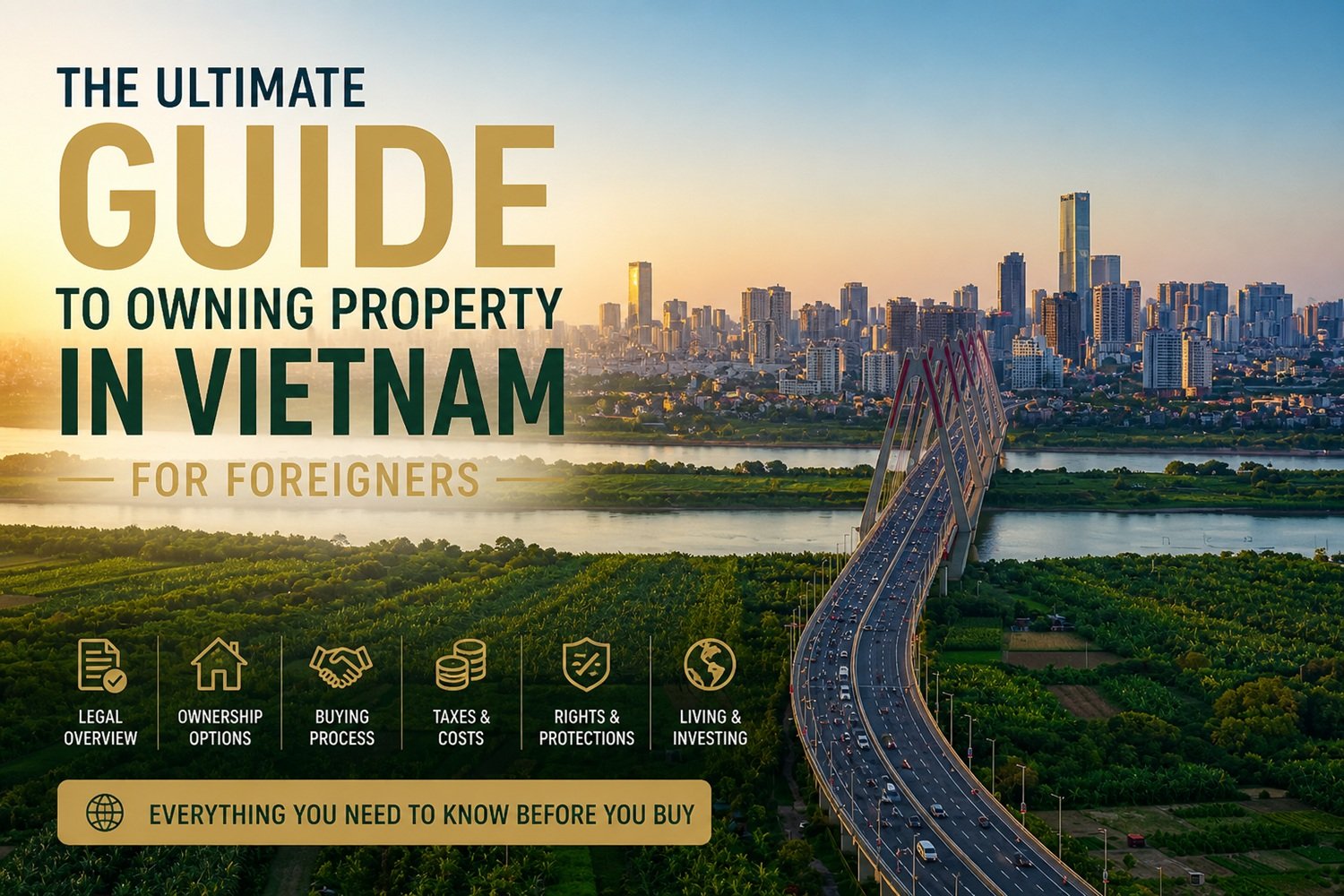
Owning Property in Vietnam:
A Complete Guide for Foreign Buyers (2026)

guide to buy properties in vietnam for foreigners

Quick Summary for Foreign Buyers

Foreigners CAN legally buy property in Vietnam

Ownership: 50 years (renewable)

Only apartments and a few landed properties in approved projects

ROI: ~13 - 38% annually

Transaction tax: ~2%

Simple process: passport + visa

how to buy property in vietnam as a foreigner

Why Choose Vietnam?

Discover why Vietnam is becoming a top destination for real estate investment, offering strong growth potential, stable rental demand, and a secure legal framework for foreign buyers.

Strong Capital Appreciation

Property prices in major cities can grow 10–30% annually, especially with presale projects at early-stage pricing.

Strong Rental Demand

A large expat community ensures stable tenants with good budgets, ideal for long-term rental income.

Secure Legal Framework

Foreigners can legally own approved properties and receive ownership certificates (pink book).

Flexible Ownership

Ownership is up to 50 years (renewable), with full resale rights.

evaluating 2

High Liquidity

Foreign ownership is limited (30% per project), creating scarcity and strong resale demand.

Easy Process

Simple requirements, low taxes (~2%), and easy fund transfer after sale.

Legal Framework

Yes — foreigners can legally own property in Vietnam under current regulations. With the right guidance, the process is straightforward, transparent, and fully protected by law.

Can foreigners buy property in Vietnam?

Yes. Foreigners can legally purchase property in Vietnam within approved developments.

There are two primary options available:

  • Approved presale properties offered by licensed developers
  • Resale units transferred from existing foreign ownership

What rights do foreign buyers have?

As a foreign buyer, you are entitled to:

✔ Purchase apartments in licensed residential developments
✔ Own the property for 50 years (renewable)
✔ Lease, resell, or transfer ownership at any time
✔ Receive legal protection under Vietnamese property law
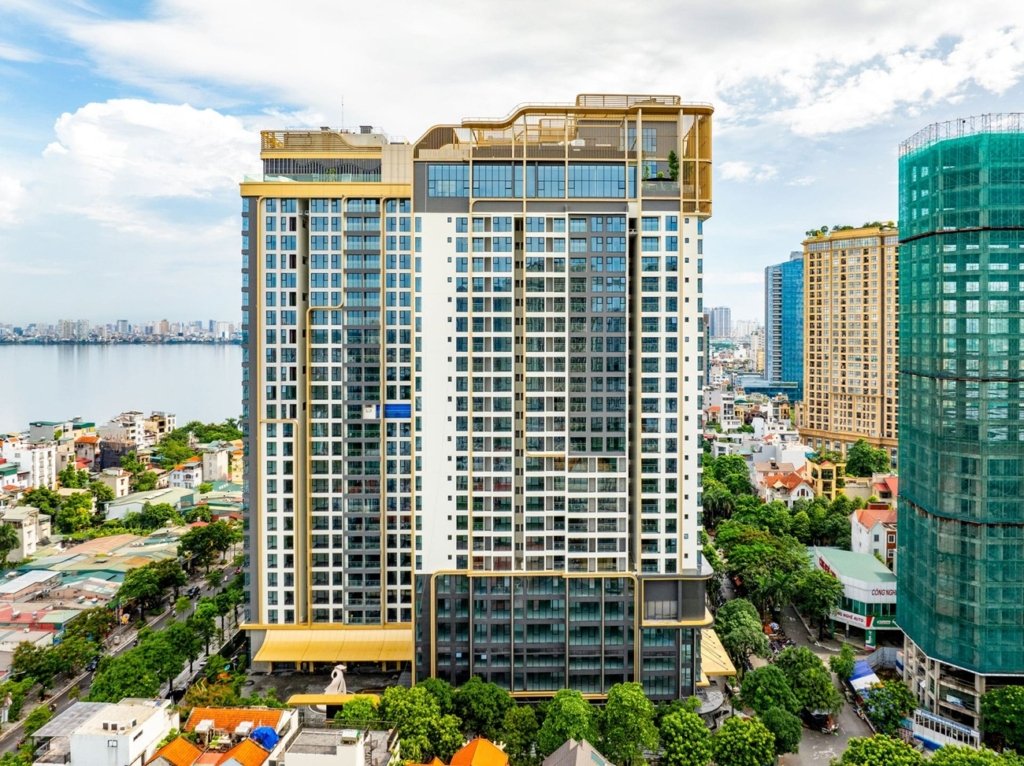
How long can foreigners own property?

Foreign ownership is granted for a period of 50 years and can be renewed upon expiry.

During this time, you have full ownership rights, including the ability to rent out, sell, or pass the property to either locals or other foreigners. For your Vietnamese buyers, the apartment ownership is granted on a permanent (long-term) basis.

Common mistakes foreign buyers should avoid

While the legal framework is clear, mistakes can happen without proper guidance:

⚠️ Buying properties outside approved projects
⚠️ Not verifying the developer’s legal status
⚠️ Working with unlicensed or inexperienced agents
⚠️ Ignoring foreign ownership quota

Working with a professional real estate agency ensures that your investment is fully compliant and secure.

Buying Process

The process is straightforward whether you are buying a new (presale) unit or a resale property.

Presale (Off-plan) Properties

Buying a presale property means purchasing directly from a developer, often with flexible payment terms.

Step-by-step

1. Choose a suitable project and unit
→ Based on your budget, location, and investment goals

2. Secure priority with reservation (if applicable)
→ In high-demand projects, buyers may place a small reservation fee to obtain priority access or the right to select units before official launch

3. Pay Non-refundable deposit
→ Typically around 50–200 million VND to officially secure the unit

4. Sign Sales & Purchase Agreement (SPA)
→ Official contract signed with the developer

5. Follow payment schedule
→ Payments are made in stages during construction

6. Project completion & handover
→ Receive the unit and inspect its condition

7. Apply for ownership certificate (Pink Book)
→ Legal ownership document issued by authorities

Resale Properties

Buying a resale property involves purchasing from an existing owner, often with immediate handover.

Step-by-step

1. Identify a suitable property
→ Based on location, condition, and legal eligibility

2. Verify legal status & ownership
→ Ensure the unit is eligible for foreign ownership

3. Negotiate price and terms
→ Direct negotiation with the seller

4. Sign deposit agreement
→ Usually 5–10% of property value

5. Sign transfer contract at notary office
→ Official ownership transfer

6. Complete payment & receive property
→ Final payment and handover

7. Update ownership certificate (Pink Book)
→ Register your ownership

Costs & Returns

Understanding both the costs and potential returns is essential when investing in property in Vietnam. While entry costs are relatively low compared to many markets, returns can vary significantly depending on the property type and location.

What are the typical costs?

When purchasing property in Vietnam, foreign buyers should consider:

  • Purchase price of the property
  • VAT (10%) 
  • Maintenance Fund (2%)
  • Registration Fee (0.5%) 
  • Property management (optional)

Overall, transaction costs in Vietnam remain relatively low, making it an attractive market for international investors.

property buying guide in vietnam for foreigners

Rental Yield vs. Capital Appreciation

Core & Luxury Properties

Properties located in central districts or premium developments tend to offer:

  • Lower rental yields
  • Strong and stable capital appreciation
  • High liquidity and long-term value retention

These assets are typically chosen by investors who prioritize:

  • Wealth preservation
  • Long-term growth
  • Premium tenant profiles

While rental income may be moderate, these properties often benefit from consistent price growth over time.

High-Yield Segment

Properties located near industrial parks or emerging areas usually offer:

  • More affordable entry prices
  • Higher rental yields
  • Strong demand from workers and professionals

These assets are suitable for investors who focus on:

  • Cash flow
  • Faster return on investment
  • Short- to mid-term strategies

Rental demand in these areas is driven by Vietnam’s growing manufacturing sector and workforce expansion.

Other Frequently Asked Questions

Find answers to the other common questions about buying property in Vietnam as a foreigner

Yes, you need to present  in Vietnam to buy property.

Yes when purchasing the right property in a legally approved project. Vietnam is becoming a new dragon of Asia.

No. Purchasing property in Vietnam does not automatically grant a visa or residency.

However, many foreign property owners stay in Vietnam using: Tourist visas, Business visas, Work permits (if employed locally).

No there is no special visa required to purchase property in Vietnam.

You only need a valid visa to enter the country when completing certain legal procedures. Most foreign buyers use a tourist or business visa.

Foreign buyers can make payments through either of the following methods:

– International bank transfer directly to the developer or seller

– Local bank account in Vietnam opened under your name

Working with a professional real estate agency before making  any payment is highly recommended. 

No, it is not mandatory. However, most new developments are distributed through official sales agencies rather than direct individual sales.

For foreign buyers, working with a trusted agency is the most common and practical approach, as it helps simplify the process and reduce risks.

👉 You also benefit from better support in unit selection, negotiation, and legal procedures.

Top investment locations include:

  • Hanoi – strong long-term growth
  • Ho Chi Minh City – high rental demand
  • Da Nang – tourism-driven market
  • Bac Ninh – high rental yield potential

Yes. And we’ll help you from A to Z with management & rental services.

In most cases, foreign buyers purchase property using their own funds, as mortgage options for foreigners are limited.

Rental income is taxed at 10% if it exceeds 500 million VND/year (~18,800 USD).
Below this threshold, you must declare the income but no tax is required.

Yes, in certain cases. However, the structure and legal implications vary, so professional advice is recommended.

Yes. Our team will handle the process with you, ensuring your funds are transferred abroad smoothly, securely, and effortlessly.

All property transactions in Vietnam must be conducted in Vietnamese Dong (VND).

If you transfer funds in a foreign currency (such as USD), the amount will be converted into VND by the receiving bank, based on the applicable exchange rate at the time of transfer.

For popular projects, demand often exceeds supply — especially for premium units.

A reservation helps:

  • Organize early buyers
  • Prioritize serious investors
  • Allocate the best units efficiently

👉 In many cases, the most attractive units are secured during this early phase.

Secure Your Property in Vietnam as a Foreigner

Our team helps international buyers identify legally compliant, high-performing properties from the start.

Tell Us What You’re Looking For

Let us know your preferences, budget, and timeline, and we’ll help you find the perfect property in Vietnam quickly and efficiently.

You Also Want to Read

Costly Mistakes Foreigners Make When Buying Property in Vietnam

7 Costly Mistakes Foreigners Make When Buyin...

04/11/2026
7 Costly Mistakes Foreigners Make When Buying Property in Vietnam Posted by Harry Nguyen on 04/11/2026 Real Estate ...
Continue reading
How a Korean Client Invested in a 3 Bedroom Apartment in tay ho

How a Korean Client Invested in a 3BR Apartm...

04/12/2026
A Korean client approached us looking for a stable and long-term rental investment in Hanoi, with a preference for ...
Continue reading
4.9/5 - (23 votes)
Your dream place says hi!

Measurement Unit


Currency

Compare Listings